The Best Natural Oils for Preventing and Treating Stretch Marks

Stretch marks are a common skin concern that affects many people, especially during periods of rapid physical changes such as pregnancy, weight gain, or hormonal fluctuations. These fine lines, which may range in color from dark red to pearly white, often become a source of aesthetic concern. Although stretch marks do not pose a serious health problem, many people look for solutions to help prevent them or reduce their appearance.
Proper skincare, particularly hydration, is one of the most effective ways to help prevent the appearance of stretch marks. Natural oils, which are rich in nutrients and essential fatty acids, provide an accessible and effective option for maintaining skin elasticity and helping prevent damage to collagen fibers. In this article, we will explore the best natural oils for preventing and treating stretch marks, explaining how each one can contribute to maintaining healthy skin and improving its appearance.
What Are Stretch Marks and Why Do They Appear?
Stretch marks are visible lines or bands that appear on the surface of the skin when the skin stretches rapidly over a short period of time. Initially, these lines may be red, purple, or pink, and they gradually become lighter as the skin attempts to recover, eventually taking on a white or silvery appearance. They commonly appear on areas such as the abdomen, thighs, hips, breasts, and arms.
The main causes of stretch marks include:
Pregnancy: Stretch marks commonly appear during pregnancy, especially during the second and third trimesters, as a result of rapid skin stretching and hormonal changes that affect skin elasticity.
Rapid weight gain or sudden weight loss: When body size changes quickly, whether due to weight gain or weight loss, the skin may not have enough time to adapt to the body's new dimensions, causing it to stretch excessively.
Hormonal changes: Teenagers, pregnant women, and people undergoing hormonal treatments may notice the appearance of stretch marks as a result of hormonal fluctuations that affect collagen production and skin elasticity.
Genetic factors: The likelihood of developing stretch marks can also be influenced by genetic factors. If a close family member has stretch marks, you may have a greater predisposition to developing them.
The Importance of Prevention and Skincare
Keeping the skin hydrated and well cared for is essential for helping prevent the appearance of stretch marks or reducing their severity. Well-hydrated skin is more flexible and better able to withstand rapid stretching. Regular use of moisturizing and nourishing products can help maintain healthy, soft skin while reducing the likelihood of damage to collagen and elastin fibers, which may contribute to the development of stretch marks.
Natural oils are popular options for preventing and treating stretch marks because they contain beneficial components that help hydrate the skin, support its regeneration, and strengthen its natural barrier. Below are some of the most effective oils for helping prevent stretch marks and improve their appearance:
Beneficial Oils for Preventing and Treating Stretch Marks:
1. Rosehip Oil

Rosehip oil is very rich in essential fatty acids, such as omega-3, omega-6, and omega-9, which are essential for repairing and maintaining the skin’s lipid barrier. These fatty acids help hydrate and deeply nourish the skin, contributing to the prevention of dryness and loss of elasticity. In addition, the vitamin C found in rosehip oil is a powerful antioxidant that helps stimulate collagen production, an essential component for maintaining skin elasticity and helping prevent stretch marks. Vitamin A (retinol) also supports cell renewal, helping improve skin texture and reduce collagen degradation.
Why Is It Recommended for Use in Cosmetics?
Thanks to this combination of nutrients, rosehip oil is an ideal ingredient in cosmetic products designed to help prevent stretch marks. It helps repair and protect the skin while noticeably improving its texture and softness. When included in creams or skincare products, rosehip oil helps maintain skin that is hydrated, elastic, and better able to withstand rapid stretching, making it suitable for daily use.
How to Use It:
To benefit from its properties, rosehip oil can be applied directly to areas prone to stretch marks, such as the abdomen, thighs, and breasts, twice a day. Gently massaging the oil helps it absorb quickly and deeply into the skin, enhancing its moisturizing and regenerative effects.
2. Lavender Oil
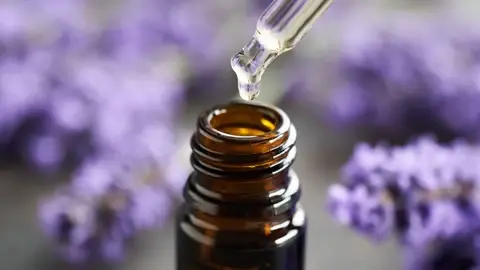
Lavender oil is known for its soothing and anti-inflammatory properties. The main active compounds found in lavender oil, such as linalool and linalyl acetate, have calming effects on the skin, helping to reduce inflammation and irritation. These properties make lavender oil suitable for caring for sensitive or damaged areas of the skin, including areas affected by stretch marks. Lavender oil also has strong regenerative properties, helping stimulate cell renewal and accelerate the healing of damaged tissue.
How Does It Help Prevent Stretch Marks?
Lavender oil not only helps reduce inflammation but also contributes to improving skin elasticity, which may help prevent the appearance of stretch marks. In the case of existing scars and stretch marks, regular use of lavender oil may help reduce their appearance by supporting skin cell renewal. Its soothing effect may also help relieve discomfort or itching associated with skin stretching or damage.
Why Is It Recommended for Use in Cosmetics?
Including lavender oil in cosmetic formulations offers multiple benefits. First, it helps soothe the skin and reduce inflammation, which is particularly important for people with sensitive or irritation-prone skin. Second, it supports skin regeneration, making it a valuable ingredient in products and creams designed for stretch marks or scars. In addition, lavender oil has a pleasant and relaxing fragrance, giving it a soothing effect that promotes relaxation and enhances the sensory skincare experience.
How to Use It:
Lavender oil can be used after diluting it with other carrier oils, such as coconut oil or rosehip oil, to help prevent stretch marks or improve the appearance of existing ones. It is recommended to apply it daily to areas prone to stretching, such as the abdomen, thighs, and hips, while gently massaging the skin to ensure good absorption. When incorporated into cosmetic products, it can be used daily as part of a skincare routine, while avoiding excessively high concentrations to reduce the risk of skin sensitivity.
3. Coconut Oil

Coconut oil is a very popular ingredient in skincare, thanks to its rich content of fatty acids. One of the most important of these is lauric acid, which has distinctive properties. This fatty acid helps penetrate the skin deeply, providing intense and long-lasting hydration. Deep hydration is essential for maintaining skin elasticity, as dry skin is more susceptible to collagen fiber damage, which may contribute to the development of stretch marks. In addition, coconut oil contains vitamin E, a powerful antioxidant that helps protect the skin from free radicals and supports cell regeneration.
How Does It Help Prevent Stretch Marks?
Coconut oil is highly effective in helping prevent stretch marks due to its ability to hydrate and nourish the skin. By keeping the skin moisturized and supple, the oil may help reduce the likelihood of stretch marks, particularly during periods of rapid skin stretching, such as pregnancy or sudden weight gain. The anti-inflammatory and antibacterial properties of coconut oil also help soothe irritated or inflamed skin, making it useful for caring for existing stretch marks. These properties help reduce redness and discomfort while supporting the skin’s recovery process and improving its appearance.
Why Is It Recommended for Use in Cosmetics?
Coconut oil is an excellent ingredient in cosmetic products thanks to its versatility. It is a natural emollient, making it suitable for creams and skincare products designed to help prevent stretch marks. It is also non-comedogenic, meaning it does not clog pores, and may be suitable for various skin types, including sensitive skin. Its antibacterial and antifungal properties provide additional protection against irritation and inflammation, making it suitable for daily use without causing skin sensitivity. Coconut oil is also an effective carrier oil for other essential oils, meaning it can be combined with other active ingredients to enhance their benefits for the skin.
How to Use It:
Coconut oil can be used daily by applying it directly to areas prone to stretch marks, such as the abdomen, thighs, and hips. For best results, it is preferably applied after showering to damp skin to help lock in moisture. It can also be combined with other essential oils, such as lavender oil or rosehip oil, to benefit from the complementary effects of these ingredients. Thanks to its versatility, coconut oil is also included in many cosmetic products, ranging from moisturizing products to creams specially formulated to help prevent and care for stretch marks.
4. Geranium Oil

Geranium oil is valued for its rich composition of active compounds that provide multiple benefits for skin health and appearance. Among the most notable of these compounds are geraniol and citronellol, which give the oil regenerative, anti-inflammatory, and astringent properties. Geranium oil is known for its ability to stimulate cell renewal, helping the skin regain its softness and firmness. This oil also has a skin-tone-evening effect, which may help reduce the appearance of scars and stretch marks.
How Does It Help Prevent and Treat Stretch Marks?
Geranium oil is suitable for preventing and caring for stretch marks thanks to its astringent and regenerative properties. Its astringent effect helps tighten the skin and improve its firmness, enhancing its elasticity and ability to withstand stretching, thereby helping prevent the appearance of stretch marks. In the case of existing stretch marks, geranium oil supports skin renewal and helps improve the texture and appearance of scars. Regular use of this oil may support the skin’s recovery process and make stretch marks less noticeable by helping even out the skin tone and texture in affected areas.
Why Is It Recommended for Use in Cosmetics?
Geranium oil is a valuable ingredient in cosmetic products thanks to its versatility and effectiveness in maintaining healthy, firm-looking skin. Its astringent properties help minimize the appearance of pores and support the firmness of skin tissue, making it a useful ingredient in creams and skincare products designed to help prevent stretch marks and reduce their appearance. It also has properties that support cell renewal, making it suitable for products aimed at reducing the appearance of scars or supporting skin repair after damage. Geranium oil also helps moisturize the skin, which may help prevent dryness and maintain its elasticity—an essential factor in helping prevent the appearance of stretch marks.
How to Use It:
Geranium oil can be used after diluting it with other carrier oils, such as sweet almond oil or coconut oil, and then applying it to areas prone to stretch marks, such as the abdomen, thighs, and breasts. It is preferably massaged gently into damp skin, ideally after showering, to enhance absorption and maximize its benefits. With daily use, geranium oil may help not only prevent stretch marks but also improve the appearance of existing ones, leaving the skin looking firmer and more even.
5. Ylang-Ylang Oil

Ylang-ylang oil, extracted from the flowers of the Cananga odorata tree, is known for its toning and balancing effects on the skin. It contains active compounds such as linalool, geraniol, and benzyl acetate, which have anti-inflammatory, soothing, and regenerative properties. One of the key benefits of ylang-ylang oil is its ability to balance sebum production, making it suitable for both dry and oily skin. This balance helps maintain an optimal level of skin hydration, which is essential for preventing dryness and skin damage—two factors that may contribute to the development of stretch marks.
How Does It Help Prevent Stretch Marks?
One of the main roles of ylang-ylang oil is improving skin elasticity, which is one of the key factors in preventing stretch marks. More elastic skin is less likely to experience the breakdown of collagen and elastin fibers when subjected to rapid stretching, such as during pregnancy or weight gain. The oil’s toning properties help maintain the skin’s firmness, softness, and elasticity, thereby helping prevent the appearance of stretch marks. When combined with other carrier oils, such as coconut oil or rosehip oil, which provide deep hydration and support cell regeneration, ylang-ylang oil may enhance their effects in helping prevent stretch marks and improve their appearance.
Why Is It Recommended for Use in Cosmetics?
Ylang-ylang oil is a valuable ingredient in cosmetic products because it helps tone and balance the skin while maintaining its elasticity. In creams and skincare products designed to help prevent stretch marks, ylang-ylang oil helps improve skin hydration and stimulate regeneration, providing effective support against the breakdown of connective tissue. As an essential oil with beneficial aromatherapy properties, it also has a calming effect on the nervous system and may help reduce stress and psychological tension, which may indirectly contribute to healthier-looking skin.
How to Use It:
Ylang-ylang oil is generally used after being diluted with other carrier oils, such as coconut oil, rosehip oil, or almond oil, and then applied by massaging the areas prone to stretch marks. Regular use on the abdomen, hips, thighs, or breasts helps maintain soft, supple, and elastic skin while helping prevent damage to collagen fibers. For best results, it is recommended to use it daily, preferably applying it to damp skin after showering to help improve absorption and enhance its moisturizing and toning effects.
In conclusion, regular skincare is essential for helping prevent stretch marks and reducing their appearance. Natural oils such as rosehip oil, coconut oil, lavender oil, geranium oil, and ylang-ylang oil provide an effective option for helping maintain hydrated, soft, elastic skin that can adapt to rapid changes in the body. These nutrient-rich oils nourish and revitalize the skin, enhance its elasticity, and help prevent the breakdown of collagen fibers that leads to the development of stretch marks.
If you are experiencing stretch marks or want to help prevent them, we recommend trying the moisturizing products from the Royal Rich range and Stretch Cream. These products are specially formulated to care for stretch marks and provide optimal hydration and support skin regeneration. With carefully selected natural ingredients, these products help maintain healthy, beautiful-looking skin and give you the confidence you need. Try them and enjoy the benefits of well-cared-for skin!


Comments