Summer Is Here: Stop Feeling Embarrassed About Your Feet – Treat Toenail Fungus

Have you ever noticed unusual changes in your nails, such as yellowing, thickening, or crumbling? If so, you may be dealing with toenail fungus, a condition that is not only unpleasant in appearance but can also affect your overall foot health. Toenail fungus, medically known as onychomycosis, can be more than just a cosmetic concern—it may cause pain and discomfort and can even lead to more serious infections if left untreated.
As summer approaches and you get ready to show more skin, it’s important to address this problem so you can enjoy the beach, pool, and sandals without embarrassment or discomfort. Treating the condition early can not only improve the health and appearance of your nails but also help prevent the infection from spreading and reduce the risk of long-term complications.
Today, we’ll explore what you can do to make sure your feet are ready to look and feel their best this summer.
What Is Toenail Fungus?
Definition of Onychomycosis

Onychomycosis, commonly known as toenail fungus, is a fungal infection that affects the fingernails and, more commonly, the toenails. It is caused by various types of fungi, including dermatophytes, molds, and yeasts, which invade the nail, nail bed, and sometimes the surrounding skin.
Development and Impact of Toenail Fungus
Fungi thrive in warm, humid, and dark environments, making damp, enclosed footwear an ideal setting for their growth. The infection usually begins at the edge of the nail, which may become yellow, thickened, or brittle, and gradually spreads toward the base of the nail and deeper into the nail bed.
As the fungi spread, the nails may become fragile, develop an uneven texture, and cause pain. If left untreated, onychomycosis can lead to permanent nail deformities and may interfere with everyday activities, such as walking or wearing certain types of footwear.
Symptoms of Toenail Fungus

The main signs and symptoms of onychomycosis include:
Changes in nail color, usually yellow, brown, or even black. One of the earliest and most noticeable signs of toenail fungus is a change in nail color. Fungal infections can cause the nails to take on yellow, brown, or even blackish shades. This symptom is caused by the buildup of debris beneath the nail as the nail’s keratin layer separates from the nail bed.
Nail thickening and deformity, which may become painful. As the infection progresses, the nails may become abnormally thick. This thickening is a response to the fungal invasion and can make the nails more difficult to trim and care for. Excessive thickening may cause discomfort or pain, particularly when wearing footwear that puts pressure on the affected nails.
Nail brittleness, with a tendency to separate from the nail bed. Fungal-infected nails often become brittle and may crumble easily at the edges. This occurs as the fungi weaken the nail structure. Brittle nails may split or break apart, worsening their appearance and potentially exposing the nail bed to other infections.
A mild unpleasant odor coming from the nails. Infected nails may develop an unpleasant odor due to the accumulation of bacteria and fungi beneath the nail.
Recognizing these symptoms early is crucial for starting appropriate treatment and preventing the infection from spreading. Effective treatment can help limit nail damage and restore a healthy, well-groomed appearance, which is essential for your comfort and self-confidence, especially during the summer months when your feet are more exposed.
How to Tell If You Have Toenail Fungus
Identifying toenail fungus early is crucial for starting appropriate treatment and preventing the infection from spreading. Here are some steps you can take to recognize the signs of toenail fungus and determine when it is necessary to consult a doctor:

Step 1: Check the Nail Color
Examine your nails regularly for any changes in their color. Healthy nails should have an even, translucent appearance. If you notice yellowish, brownish, or even whitish spots, this may be a sign of toenail fungus.
Step 2: Check the Nail Texture and Thickness
Feel the texture of your nail. Fungal-infected nails may become thick, hard, and develop an uneven texture. If the nail easily separates from the nail bed or begins to crumble, these can be clear signs of a possible fungal infection.
Step 3: Monitor Nail Brittleness and Shape
Watch for any changes in the shape of the nail or signs that it is becoming brittle and breaking easily. A healthy nail should be strong and maintain a consistent shape. Deformities or excessive thinning may indicate the presence of a fungal infection.
Step 4: Pay Attention to Signs of Discomfort
Any pain, burning, or itching around the nails may be a sign that the fungus has begun to affect the area. An unusual odor may also be an indicator of toenail fungus.
Step 5: Consult a Doctor
If you notice one or more of these symptoms, it is essential to consult a dermatologist or podiatrist. They can accurately diagnose the condition and recommend the most appropriate treatment. In many cases, confirming the diagnosis may require taking a small nail sample, which is then examined in a laboratory to identify the exact type of fungus.
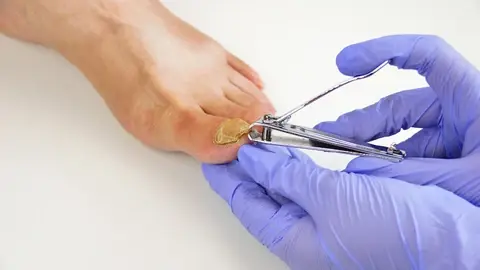
Recognizing the early signs of toenail fungus and promptly consulting a doctor are essential steps toward effective treatment and maintaining the health and appearance of your nails.
Get Your Feet Ready for Summer – Treat Toenail Fungus
As summer approaches, it’s essential to prepare your feet not only for the warmer weather but also for the increased exposure that comes with the season. Here are some practical tips to help keep your feet healthy and free from toenail fungus:
Personal Care and Thorough Hygiene
Drying your feet thoroughly: Toenail fungus thrives in moist environments, so make sure to dry your feet thoroughly, especially between the toes, after showering or bathing.
Wearing appropriate footwear: Avoid tight shoes and synthetic materials that do not allow your feet to breathe. Opt for sandals or open-toed shoes that allow air to circulate.
Wearing moisture-absorbing socks: Choose socks made from natural fibers, such as cotton or wool, which absorb moisture and help prevent fungal growth.
Avoiding sharing shoes or towels: Sharing footwear or towels can lead to the fungus being transmitted from one person to another.
Preventing Reinfection
Disinfecting footwear and care tools: Use antifungal sprays for your shoes and make sure all pedicure tools are properly sterilized.
Regularly checking your feet: Inspect your nails and feet regularly for any signs of reinfection, and take prompt action at the first indication of fungal infection.
Toenail Fungus Treatment: Cleanail from the Royal Rich Range
A natural and effective treatment for combating toenail fungus is Cleanail by Royal Rich. This product harnesses the power of essential oils to help treat and prevent fungal infections.

Cleanail Solution Composition
Thyme essential oil: Known for its powerful antifungal properties, thyme oil actively combats the fungi responsible for nail fungus.
Clove essential oil: This oil not only has anti-inflammatory and antiseptic properties, but also helps relieve the pain and discomfort associated with nail fungus.
Lemon essential oil: Known for its purifying properties, lemon oil improves the appearance of the nail and helps restore its natural health.
Mode of Action
These essential oils work together to eliminate nail fungus while revitalizing and restoring the health of the affected nail. Cleanail not only helps treat the symptoms of nail fungus but also helps prevent the infection from spreading and strengthens the nails against future fungal infections. Regular use of the Cleanail solution can lead to significant improvements, allowing you to enjoy the summer with confidence and without worrying about the health and appearance of your feet.
In conclusion, treating nail fungus is essential not only for maintaining healthy feet but also for your comfort and confidence during the summer season. As summer brings opportunities to wear open-toed footwear and take part in various outdoor activities, it is important to prepare your feet before exposing affected nails. With proper and timely treatment, you can avoid the physical discomfort and embarrassment that may arise in social situations.
Don’t let nail fungus ruin your summer plans! Take action now to treat and prevent this uncomfortable condition. Try Cleanail solution by Royal Rich, a natural and effective treatment that harnesses the power of thyme, clove, and lemon essential oils to combat nail fungus.


Comments